Browse

Log in / Register
 Share

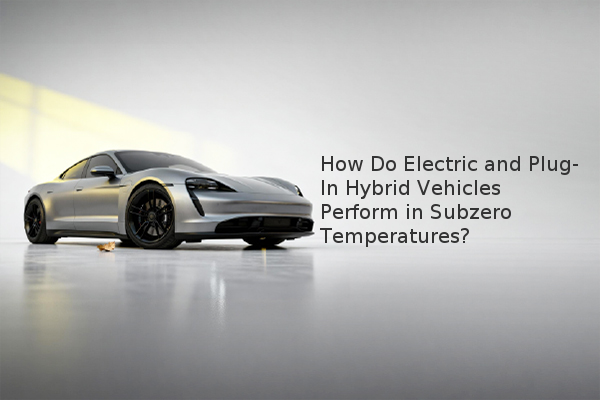
Electric vehicles (EVs) and plug-in hybrid electric vehicles (PHEVs) face significant challenges in subzero temperatures, primarily due to reduced battery efficiency and the high energy demand of cabin heating. Based on our assessment experience with a 2021 Tesla Model Y and a 2023 Jeep Grand Cherokee 4xe during a Chicago cold snap, a dedicated home charger is not just a convenience but a critical component for reliable winter operation. Without it, owners can expect reduced driving range, slower charging speeds, and potential system warnings.
The Jeep Grand Cherokee 4xe, a PHEV (Plug-in Hybrid Electric Vehicle) that combines a turbocharged gasoline engine with an electric motor and a 17.3-kilowatt-hour (kWh) battery pack, encountered unexpected issues. After being parked outside in temperatures near zero degrees Fahrenheit, the vehicle displayed a check-engine light upon startup. The SUV's battery state of charge was at 0%, triggering a "Plug in to condition battery" alert. Battery conditioning is a process that warms or cools the battery to keep it in its optimal temperature range for performance and longevity.
Attempting to recharge the battery using the E-Save mode—a driving mode that uses the gasoline engine to power the vehicle and can slowly recharge the high-voltage battery—proved ineffective during a 30-minute drive, adding no charge. The issue was likely the extreme cold affecting the electrical system. After several hours in a warm service bay, the check-engine light cleared, and the E-Save function began working normally, highlighting how severely low temperatures can temporarily incapacitate the electric functions of a PHEV when the battery is not maintained.
The experience with the all-electric Tesla Model Y was defined by dramatic range reduction and charging difficulties. Starting a day with a planned 100-mile round trip, the vehicle's indicated range had already dropped due to the cold. The first obstacle was frozen door handles, a known issue with Tesla's flush design in icy conditions, which required warm water to free.
The charging session at a Tesla Supercharger, a DC fast charger, was severely impacted. With an ambient temperature of -5°F and a cold battery, the charger took approximately 10 minutes just to warm the battery before it could begin adding meaningful range. After 28 minutes, the battery had only charged from 38% to 52%, a rate far slower than typical DC fast charging. During the highway drive, with the climate control on high to combat the cold, the vehicle consumed range at nearly double the estimated rate. This range anxiety necessitated an unplanned stop at a second Supercharger to complete the round trip safely.
The core lesson from both experiences is the paramount importance of home charging infrastructure. A dedicated Level 2 home charger allows an EV or PHEV to precondition its battery while still plugged in, using grid power instead of the battery's own energy. This maintains the battery at an efficient temperature, improves range, and speeds up public charging.
Other critical best practices include:
While internal combustion engine vehicles also face cold-weather challenges like sluggish starts, the impact on EV and PHEV efficiency and functionality is more pronounced. Successfully navigating winter with an electrified vehicle requires planning, patience, and, most importantly, access to consistent charging, ideally at home.