
Browse

Log in / Register
 Share
Share

The modern workforce is undergoing a fundamental shift, moving beyond traditional metrics of hours logged at a desk. Today, productivity is increasingly defined by output, flexibility, and well-being, not mere presence. This evolution, accelerated by technological adoption and changing employee expectations, requires a new playbook for both employers and professionals to thrive. Success now hinges on understanding and leveraging trends like hybrid models, digital tools, and a focus on sustainable performance.
What Does "Working" Mean in the Current Era? Gone are the days when "working" was synonymous with a 9-to-5 schedule in a fixed location. The modern definition encompasses output-driven performance achieved through flexible arrangements. Key components include asynchronous communication (where team members contribute not in real-time but on their own schedules), the use of cloud-based collaboration platforms, and a results-oriented culture. This shift is supported by data; a 2026 report from the Society for Human Resource Management (SHRM) indicates that over 70% of organizations now offer some form of remote or hybrid work, linking it directly to improved talent retention rates. For professionals, it means autonomy over their time, while for employers, it demands trust and clear goal-setting.
How Can Organizations Optimize a Distributed Workforce? Managing a team that isn't physically co-located requires intentional strategy. The first step is implementing a structured performance management system focused on Objectives and Key Results (OKRs). Secondly, investing in the right technology stack—such as project management software (e.g., Asana, Monday.com) and unified communication tools—is non-negotiable. Third, fostering connection is critical; this can involve regular virtual check-ins, scheduled in-person retreats, and creating digital "water cooler" spaces. A common pitfall is monitoring activity instead of outcomes, which can erode trust. Based on our assessment experience, the most successful companies define clear deliverables, equip teams with robust tools, and cultivate a culture of accountability and recognition.
What Strategies Can Professionals Use to Maximize Their Productivity? For individual contributors, excelling in this new environment means mastering self-management. Key strategies include:
Creating a dedicated, ergonomic workspace at home also significantly impacts sustained output and prevents burnout. The goal is to create systems that make consistent high-quality work inevitable, regardless of location.
What Are the Emerging Challenges and How Do We Address Them? This new paradigm is not without its hurdles. Common challenges include:
| Challenge | Mitigation Strategy for Employers | Mitigation Strategy for Employees |
|---|---|---|
| Proximity Bias | Standardize evaluation criteria around deliverables; use rotating meeting facilitators. | Document achievements; ensure visibility through shared project channels. |
| Digital Fatigue | Implement "meeting-free" days; encourage audio-only calls. | Advocate for agenda-driven meetings; schedule focus blocks visibly on calendar. |
| Blurred Boundaries | Respect core working hours; model boundary-setting by leadership. | Establish a physical "shutdown" ritual; use separate devices or profiles for work. |
Addressing these requires conscious policy design and personal discipline.
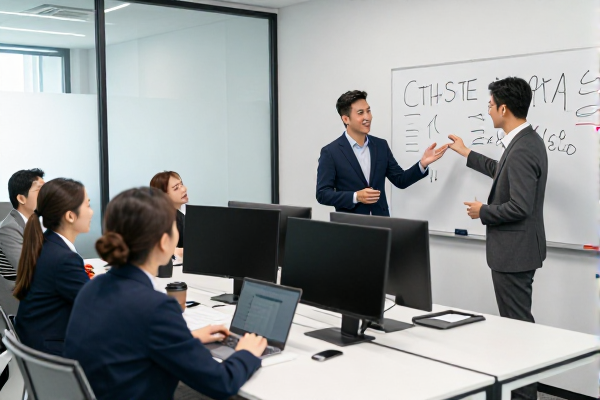
The future of work is not about where people are, but how effectively they can contribute. For companies, this means building infrastructure and culture for a distributed era. For professionals, it demands honing self-leadership and communication skills. The most adaptable organizations and individuals will prioritize output over attendance, well-being over presenteeism, and continuous learning over rigid role definitions. Embracing these principles is the definitive path to sustainable productivity and growth.


